
Sri Lanka is one of the world’s most remarkable biodiversity hotspots, offering an extraordinary concentration of wildlife and ecosystems within a relatively small island. From dense rainforests and misty mountains to dry-zone national parks and vibrant coral reefs, the country presents a rare opportunity to experience diverse habitats within a short distance.
For travelers seeking nature-based experiences, Sri Lanka delivers a unique combination of accessibility, richness, and authenticity. Whether it is spotting elephants in the wild, observing endemic bird species, or exploring ancient forests, the island offers an immersive journey into biodiversity.
Why Sri Lanka is a Global Biodiversity Hotspot
Sri Lanka is recognized as part of the Western Ghats–Sri Lanka biodiversity hotspot, one of the most biologically significant regions in the world. A high level of endemism defines the island, meaning many species found here exist nowhere else on Earth.
The country’s varied climate and topography contribute to this diversity. Within a few hours of travel, one can move from tropical rainforests to montane cloud forests and then to arid scrublands. This ecological variation supports a wide range of flora and fauna, making Sri Lanka an ideal destination for both casual nature lovers and serious wildlife enthusiasts.
Key Ecosystems in Sri Lanka
Sri Lanka’s biodiversity is shaped by its diverse ecosystems, each offering distinct experiences and species.
The wet zone rainforests, particularly in the southwest, are among the most biologically rich areas. These forests are home to a high number of endemic species, especially amphibians, birds, and plants. In contrast, the dry zone dominates much of the island and supports large mammals such as elephants, leopards, and sloth bears.
The central highlands introduce a completely different environment, with cooler temperatures and cloud forests that host unique species adapted to these conditions. Coastal and marine ecosystems further expand the biodiversity range, with coral reefs, mangroves, and lagoons supporting marine life and migratory birds.
Top Biodiversity Locations to Visit
Sinharaja Forest Reserve
This UNESCO World Heritage Site is one of the last remaining primary rainforests in Sri Lanka. It is a critical habitat for endemic species and is especially for birdwatching and amphibian diversity. The dense forest and rich soundscape create a deeply immersive experience.
Yala National Park
Yala is best known for its high density of leopards, making it one of the best places in the world to spot this elusive predator. In addition to leopards, visitors can encounter elephants, crocodiles, and a wide range of bird species.
Horton Plains National Park
Located in the central highlands, this park offers a unique landscape of grasslands and cloud forests. It is home to species such as sambar deer and endemic birds, and features iconic viewpoints like World’s End.
Iconic Wildlife of Sri Lanka
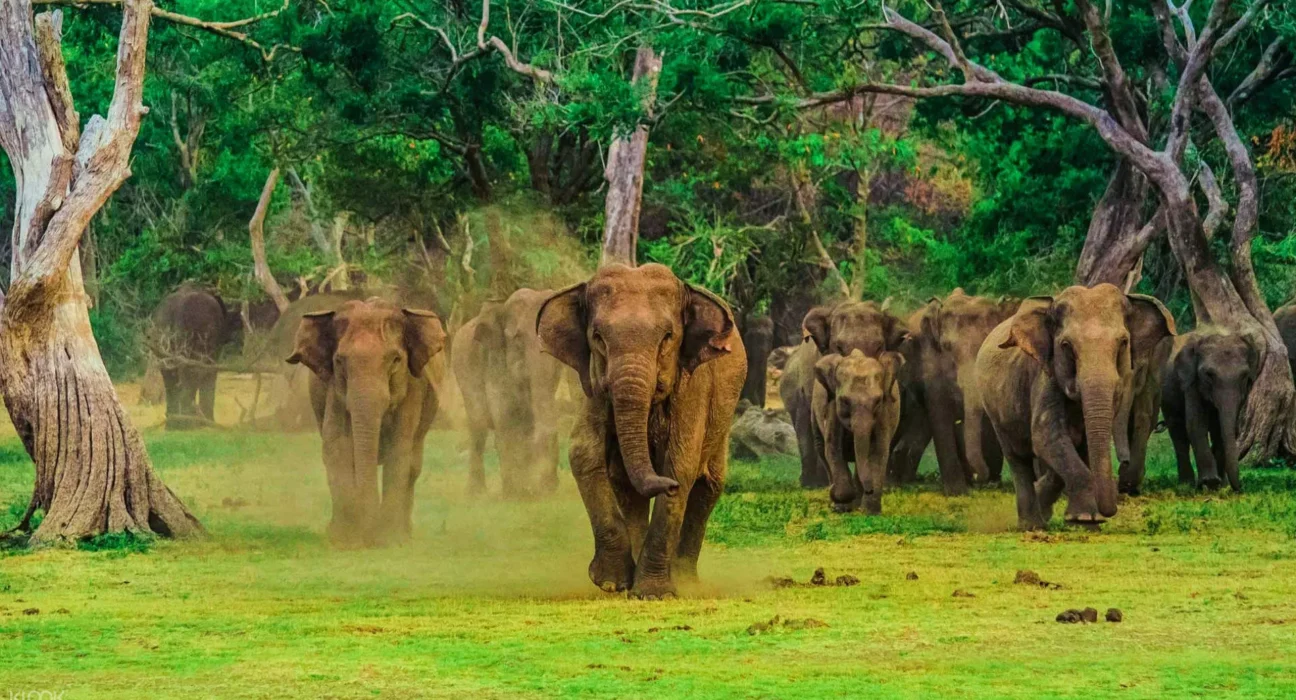
Sri Lanka is home to an impressive array of wildlife, including some of Asia’s most iconic species. The Sri Lankan elephant is one of the most visible and frequently encountered animals, particularly in the dry zone national parks. The Sri Lankan leopard, a top predator, is another highlight for wildlife enthusiasts.
In addition to large mammals, the island is a paradise for birdwatchers, with over 400 recorded species including many endemics. Reptiles, amphibians, and insects further enrich the biodiversity, making every ecosystem a dynamic and fascinating environment to explore.
Best Time to Experience Biodiversity
Sri Lanka’s biodiversity can be experienced year-round, but the best time depends on the region. The dry season in the south and east, typically from May to September, is ideal for wildlife safaris, as animals gather around water sources. Meanwhile, the southwest is best visited between December and April, particularly for rainforest exploration.
Understanding seasonal patterns helps optimize wildlife sightings and overall travel experience.
Conservation and Sustainable Tourism
Sri Lanka’s biodiversity is not only a natural asset but also a responsibility. Increasingly, tourism is being positioned as a tool for conservation, supporting protected areas and local communities.
Responsible travel practices, such as choosing ethical tour operators and minimizing environmental impact, play a crucial role in preserving these ecosystems. Many nature-based experiences now integrate conservation awareness, allowing travelers to contribute positively while exploring.
Why Guided Nature Tours Matter
Exploring biodiversity-rich environments with experienced guides significantly enhances the experience. Naturalists provide context, identify species, and interpret ecological interactions that would otherwise go unnoticed.
Guided tours also ensure safety and responsible behavior, particularly in protected areas. More importantly, they create a deeper connection between travelers and the environment, transforming a simple visit into a meaningful learning experience.
Sri Lanka offers one of the most accessible and diverse biodiversity experiences in the world. Its compact geography, combined with a rich variety of ecosystems, allows travelers to witness an extraordinary range of species and landscapes within a short time.
For those seeking a balance between adventure, learning, and responsible travel, Sri Lanka stands out as a destination that delivers both depth and diversity.

Comment (0)